A cup of coffee, a cinnamon crisp roll and perhaps a little butter on top. For many Finns, that’s a familiar combination that brings back memories of childhood, Grandma’s kitchen or afternoon coffee breaks. Crisp rolls have been around for generations, but they’re far from forgotten. At our biscuit factory in Hämeenlinna, we’re still baking them today. And although they might look simple, there’s more to making a good crisp roll than you might think.
A Familiar Favourite for Generations
Crisp rolls have been part of Finnish food traditions for generations. Their story goes back to a time when baked goods needed to last. Baking bread twice helped remove moisture and keep it from spoiling too quickly. What started as a practical way of preserving bread eventually became a familiar part of Finnish coffee breaks.
Today, we no longer bake crisp rolls to make sure they survive long journeys or months in storage. But the basic idea hasn’t changed much. Crisp rolls still get their characteristic crunch from baking and drying, and there’s quite a bit of work involved in getting that crunch just right.
What started as a practical way of preserving bread eventually became a familiar part of Finnish coffee breaks.
How Are Crisp Rolls Made, then?
It all begins with the dough. Depending on the variety, we use ingredients such as wheat or oat flour, along with other ingredients that give each crisp roll its particular flavour and texture. Even the consistency of the dough matters. If it’s not quite right, shaping and baking become more difficult, and the finished crisp rolls may not turn out as they should.
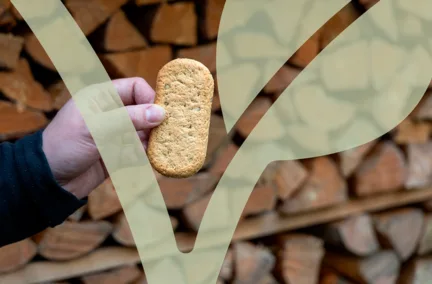
Traditionally, crisp rolls are made by shaping the dough into small rolls and baking them once. The rolls are then sliced or split before going back into the oven for a second round of baking or drying. This second stage is what makes a crisp roll a crisp roll: moisture is removed, and the soft bread develops its familiar dry, crunchy texture.
The challenge is to get the same result time after time, even when we’re making large quantities. Oven temperatures, baking times and moisture levels all need careful attention. If the crisp rolls aren’t dried enough, they may remain too soft. Too much heat, on the other hand, can leave them overly dark and affect their flavour.
So, while a crisp roll might seem like a fairly simple thing to bake, there’s plenty to keep an eye on along the way.
Getting the Crunch Just Right
You can tell a lot about a crisp roll from the first bite. It should have a satisfying crunch without being so hard that it’s difficult to chew on. The surface should be evenly baked, and the texture should be consistent throughout.
One of the trickiest parts is getting the moisture level right. Too much moisture can leave the crisp rolls soft, while excessive drying or baking can make them too hard or too dark. Finding the right balance takes careful control of the baking process.
The ingredients also play their role. Oat crisp rolls have a different flavour and texture from traditional wheat-based varieties, while rye brings its own distinctive taste.
And even when the crisp rolls come out of the oven looking just right, the work isn’t quite finished. They need to cool properly before packaging, otherwise moisture can build up inside the pack. The packaging itself also plays an important part in keeping that crunch intact all the way from our factory to your kitchen cupboard.
A crisp roll gets its familiar crunch from baking and drying. It might look simple, but quite a few steps go into making it just right.
The challenge is to get the same result time after time, even when making large quantities. Oven temperatures, baking times and moisture levels all need careful attention.
There’s More to Crisp Rolls Than Coffee Breaks
A crisp roll with a cup of coffee is a classic combination, but it’s certainly not the only way to enjoy one. Sweet or savoury, there are plenty of ways to put that crunch to good use.
For a quick dessert, spread a little vanilla quark over a Vanajan Cinnamon Crisp Roll and add some fresh berries. Vanajan Sugar Crisp Rolls are also lovely crumbled over ice cream or berry yoghurt.
If you’re more in the mood for something savoury, try topping Vanajan Whole Grain Crisp Rolls or Rye Crisp Rolls with mozzarella, tomato and fresh basil. Vanajan Oat Crisp Rolls go nicely with hummus, avocado or cream cheese. You can even crumble a few crisp rolls over a soup or salad instead of using traditional croutons.
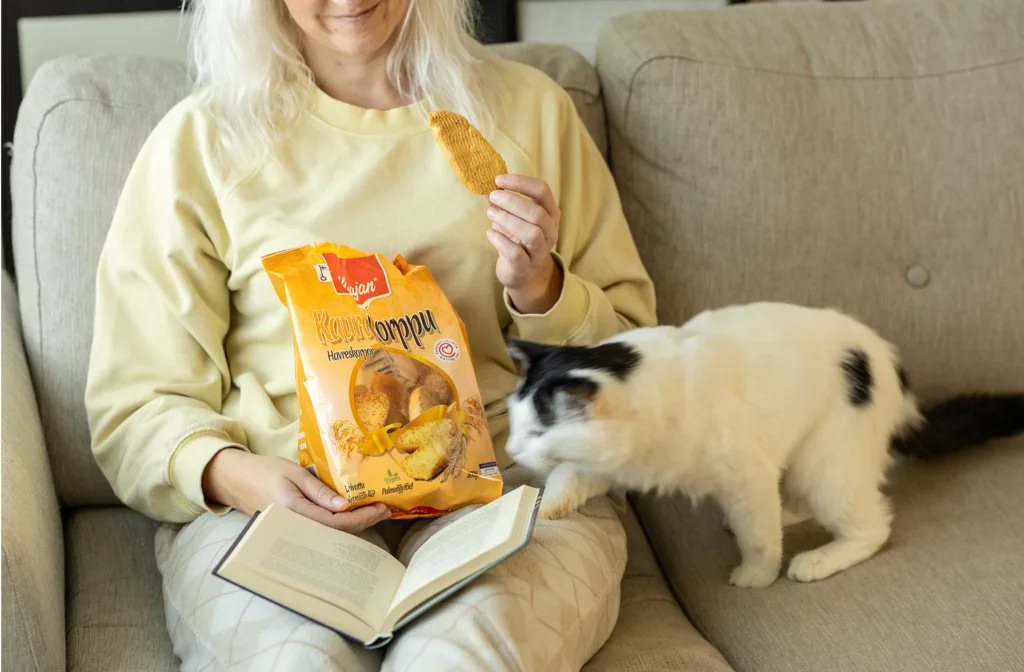
And sometimes, of course, there’s no need to add anything at all. One of the nice things about crisp rolls is that they keep well in the cupboard and are ready whenever you fancy a little something to eat.
An Old Favourite That’s Here to Stay
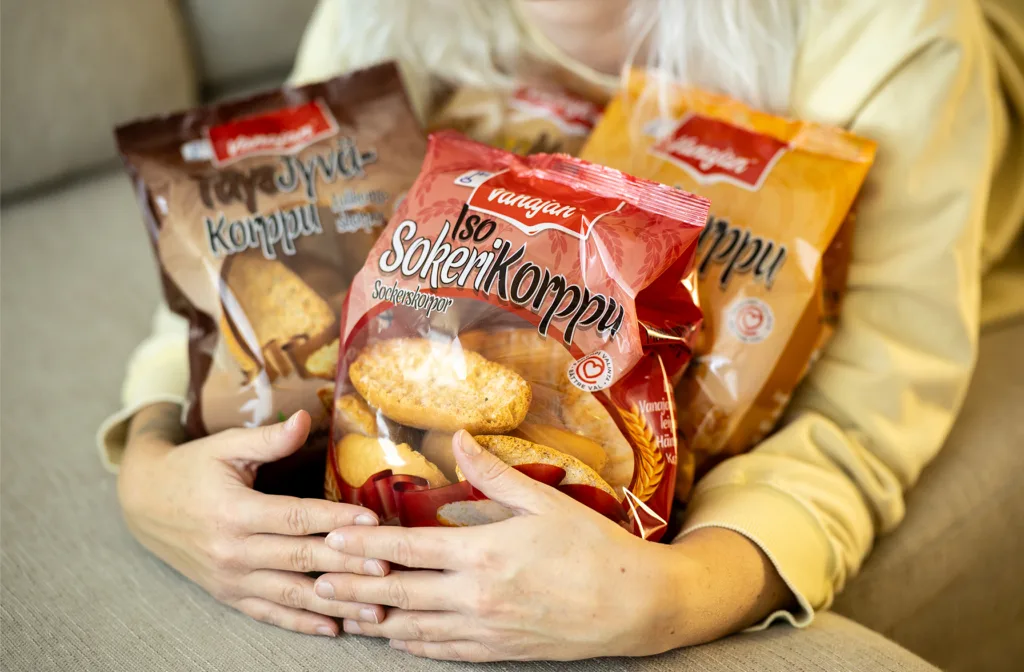
We’ve been baking crisp rolls at our biscuit factory in Hämeenlinna for decades. Our range includes the familiar cinnamon and sugar varieties, as well as oat, rye and whole grain crisp rolls.
Although crisp rolls have a long history, making them isn’t simply a matter of following an old recipe. Getting a consistent result means knowing the ingredients, understanding how the dough behaves and paying attention to every stage of production. Even small changes in baking or drying can make a noticeable difference to the finished product.
So, are crisp rolls an old-fashioned treat or a timeless classic? Perhaps a bit of both. They’ve been around for generations, but we’re still baking them, finding new ways to enjoy them and making sure they have that familiar crunch.
And judging by how well they’ve stood the test of time, there’s still plenty of room for crisp rolls at the table.